Why I do this
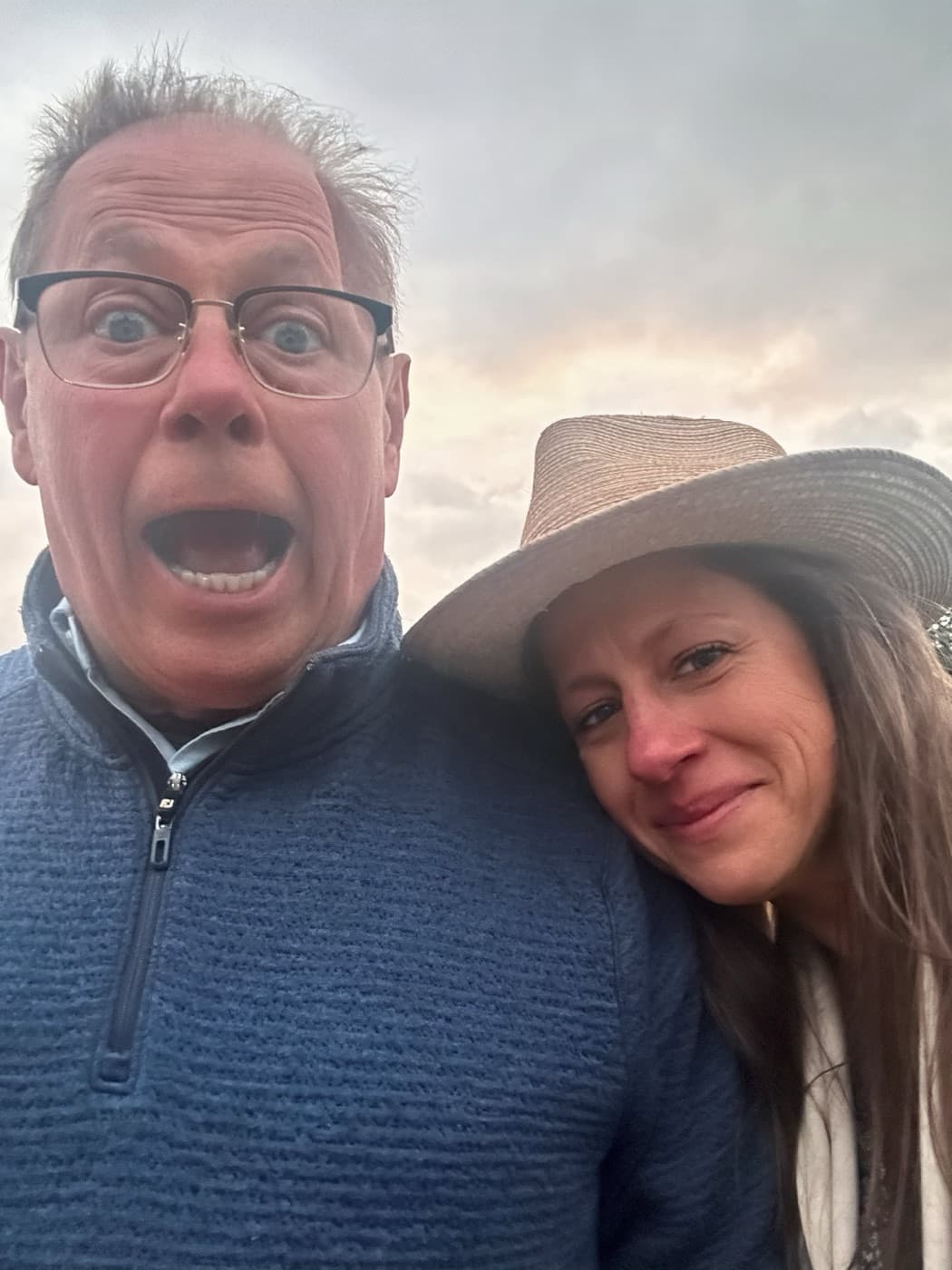
This began in my own family.
When my dad was diagnosed with a rare brain tumor in January 2024, I started searching for research that could help me understand it. I wanted to know what the terminology meant, what was known, and what questions to ask.
I followed the same confusing trail many families do: Google searches that led into PubMed papers and clinical trial listings, reading abstracts and looking up terms as I went. I was trying to understand material written for specialists and work out what was relevant to my dad's situation.
Finding answers was only one part of what our family was carrying. My mom was managing appointments, correspondence, medications, and insurance while also trying to preserve my dad's dignity, agency, and quality of life. I wanted to bring the information into one place so there was less for any one person to keep in their head, and an easier way for all of us to make sense of what was happening.
Separately, I became curious about AI and started teaching myself to build with it. I made small tools, websites, and experiments, learning by trying things and working through what didn't work. Over time, those skills gave me a way to build something useful for my own family.
I built a private reference that brought together my dad's timeline, explanations of his diagnosis, providers, coverage information, research, and open questions.
Researching and building were part of how I tried to help my dad and our family. The experience made me more careful about checking what AI returned: finding the source, distinguishing a paper's summary from the full study, and keeping an unanswered question visible instead of letting a plausible answer stand in for one.
Source Logic brings those skills and that experience together. I build connected references for families and caregivers from records, notes, and research around the questions people actually have. The reference holds the history, keeps sources and open questions visible, and gives you one place to prepare for appointments or help someone new understand what is happening without rebuilding the story from memory.
What I bring to your information
I start with what you need to understand or prepare for. Then I organize the copies you approve and research the questions we agree on. I check what goes into your reference against the available sources and mark gaps or uncertainty. We choose a format you can use, including something you can print. Before handoff, we practice finding information and making updates, agree who will keep it current, and end my access.
Here is what you can expect from the work:
- Sources you can follow. Records and research findings link back to their sources. When I only have an abstract or summary, that limit is stated.
- Work you can inspect. I keep a record of the material used, the research searches, and important decisions about what to include or leave out.
- Questions that stay visible. Missing records, unverified information, and open questions are labeled. An AI-generated answer does not turn them into confirmed facts.
- Your information stays under your control. I work from copies with access you grant; your originals stay in storage you control. At handoff, my access ends, deletion of my working copies is confirmed, and you keep the reference.
- A clear role. I organize information and research agreed questions. I don't diagnose or recommend treatment. Medical decisions stay with you and your care team.
Tell me what you're trying to understand or keep track of. We can work out whether a reference like this would help.
Let's find a starting point