For families and caregivers navigating complex care
Room to breathe.
Less to hold.
I bring the records, notes, and research questions together into one clear place.

You don't need to organize everything before we talk.
For the person keeping track of it all
You don't have to hold the whole story in your head.
You might be supporting an aging parent, raising a child with complex care needs, or helping someone through a new diagnosis or long-term illness.
The scans and labs. The evaluations. The specialist's notes. What the therapist said. What changed, and when. When it all lives in different places, keeping up becomes a job of its own, on top of the caring.
You might be weeks into this or years in. The information can still be made easier to work with.

What you receive
A connected resource.
A digital family reference built around what you need to find, understand, or share.
A visit, in context
Specialist visit
The visit note, the questions it raised, and what to bring next time.
Which records should we send ahead?
Specialist visit note · 12 June
The history, in order.
What happened and when, linked to the records behind it.
Questions for next time.
What you want to ask, and what still needs an answer.
An overview to share.
A starting point for someone joining the care team.
Set up in storage you choose, for the devices you use. Print what you need.
More about what it can hold
Depending on our agreed scope, your reference can also include coverage information with policy sections cited, or a plain-language research summary with its sources attached. You keep the files and choose what to share.

When you need to understand more
Follow the research.
When research is part of our agreed scope, I pull together the published research and produce a plain-language summary, checking each point against its cited source.
The sources stay attached, so you and the people providing care can check the work. It's information to bring to a conversation, not advice about what to do.
See research in the exampleA person doing the work with you
You can start where you are.
Bring what you have. We choose one useful place to start.

Tell me what's hard to keep track of.
We talk about what you have and what you need to find, understand, or share.
Choose a useful starting point.
We agree in writing on scope, a fixed price, tools, access, and any research questions before work begins.
I organize, connect, and research.
I work from the copies you approve. Sources stay attached; missing information and open questions stay visible.
We walk through it together.
You keep the files. We practice finding, updating, and sharing information, and checking any AI-assisted answers against sources.
I'm Sarah
The information is only part of it.
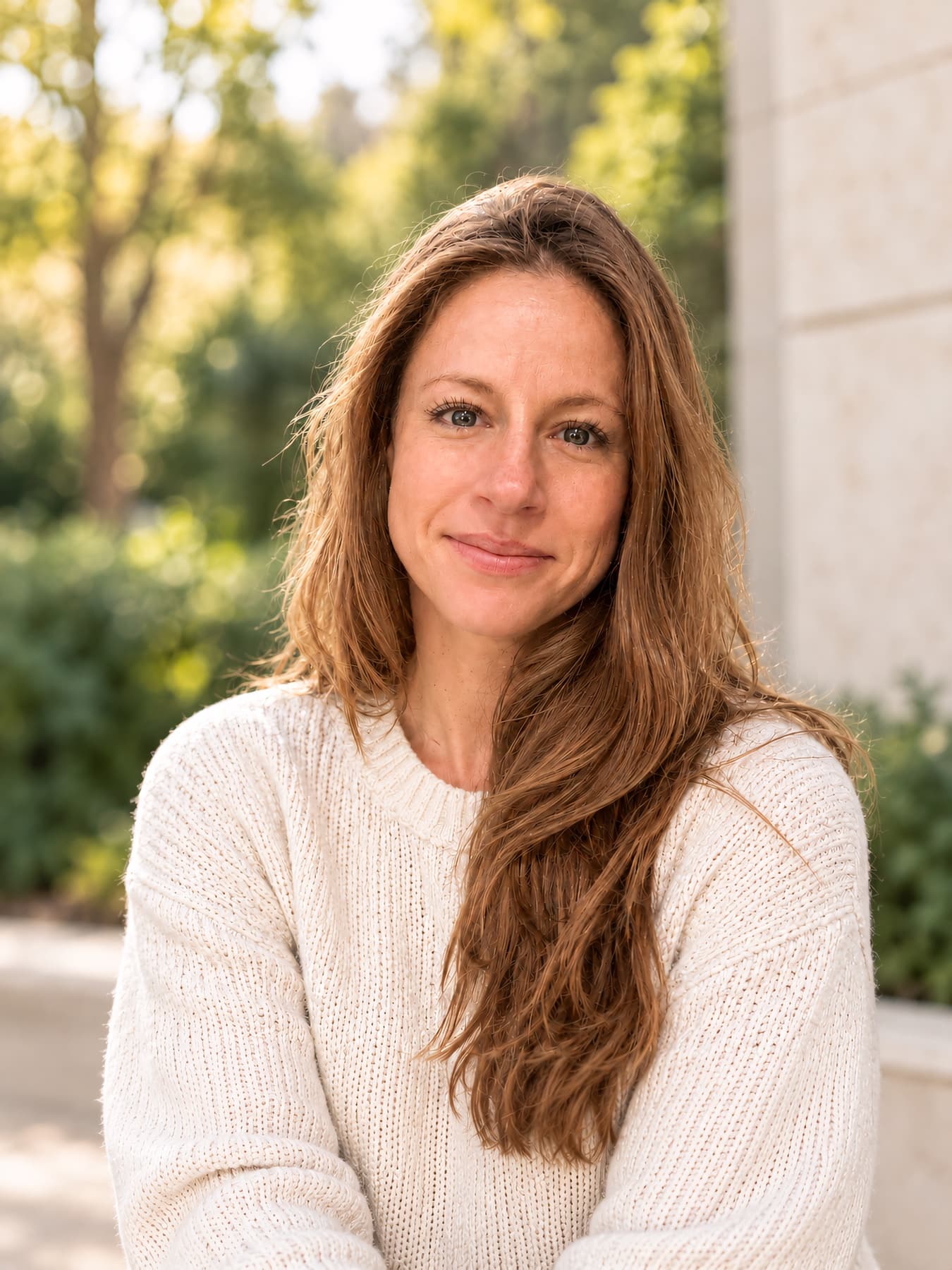
I know from my own family's experience how hard it is to make sense of scattered information while also caring for someone you love.
Every situation is different, so the work starts with what you need.
Read why I do this →Before we begin
Clear about the work. Careful with your information.
You choose what to share. Your originals stay in storage you control. We agree on tools and access in writing before work starts.
Do I need all the records first?
No. We can start by discussing what you have and what is missing. You request any records; I can help prepare the request and track the gaps.
Is this medical advice or care coordination?
No. I organize information, explain what your documents say, and research agreed questions. I don't diagnose, recommend treatment, attend appointments as your advocate, coordinate ongoing care, or file claims or appeals for you. Decisions stay with you and your care team.
What happens to our information?
I work from copies with access you grant. At handoff, that access ends and deletion of my working copies is confirmed in writing. You keep the reference and control who can use it.
What happens when something changes?
Before handoff, we practice adding new information until it takes a few minutes, not another project, and I show you how to keep it up. Any AI-assisted changes need a person's review. This is a bounded project, not ongoing monitoring; further help can be scoped separately.
What will it cost?
After our first conversation, I propose a fixed scope and price for you to review. You decide whether to go ahead before any project work begins.
One small next step
You don't need the perfect words.
Tell me what's hard to keep track of right now.
A few sentences are enough. Your message comes to me. We'll arrange a conversation about what you need, whether I can help, and what a useful first project could look like.
Please leave out medical records, account numbers, and logins. What you might share comes later.